Balayage is the most requested hair colouring technique in the world — and the most misunderstood. The word gets used loosely, but the real thing is precise, slow, and when done well, quietly transformative. Here is what actually goes into it.
What Balayage Actually Is
The word comes from the French balayer — to sweep. Unlike traditional highlights that use foils and uniform sectioning, balayage is painted freehand onto the surface of the hair. No caps, no neat rows. The colourist works with a brush, deciding in real time where light should fall and where shadow should stay.
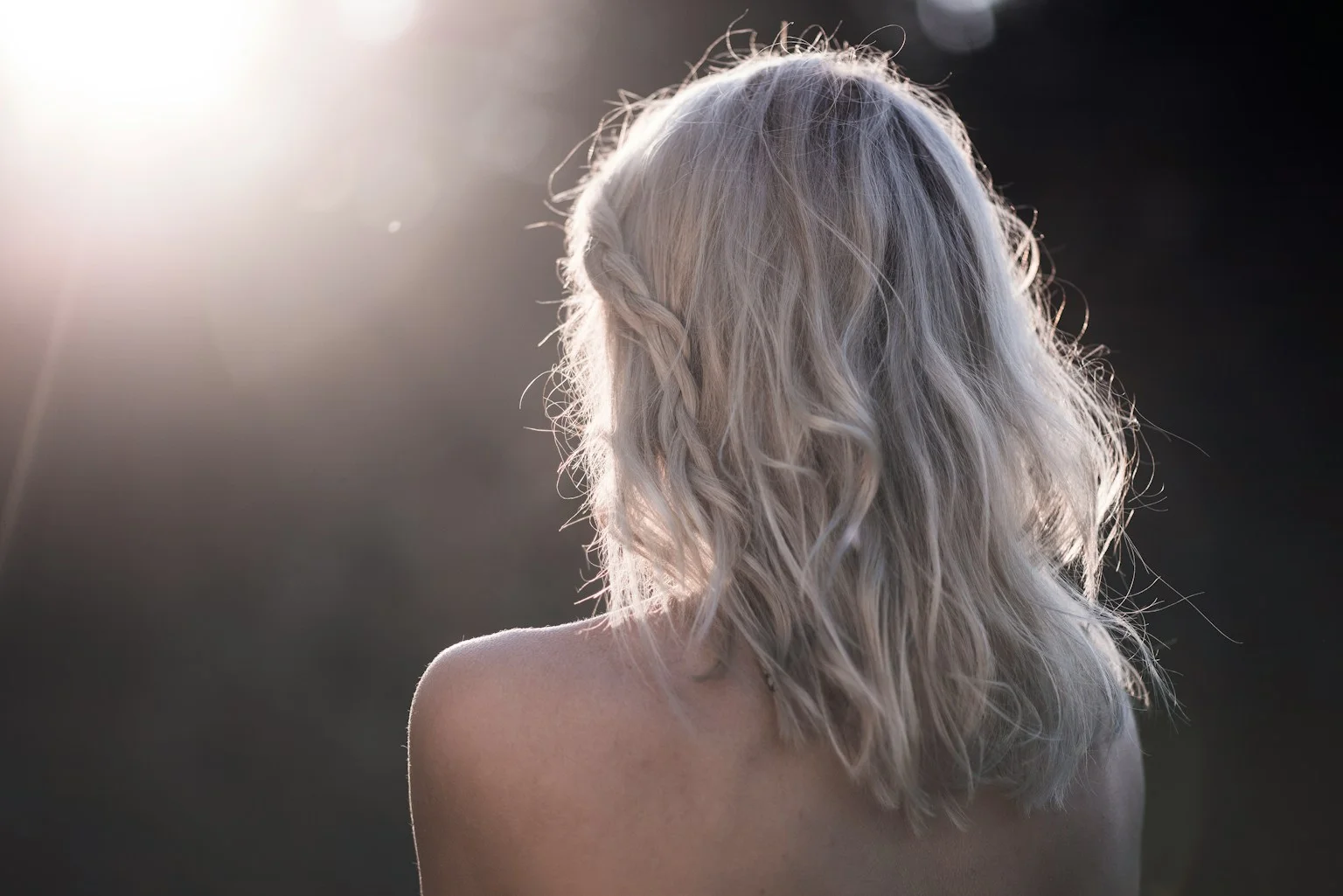
The result is colour that looks like it grew there. Soft gradation from root to tip. Warmth concentrated around the face. Dimension that shifts as the hair moves. It mimics what years of sun exposure would do — except with control, and without the damage.
What makes it beautiful is also what makes it difficult. There are no foils to do the blending for you. Every transition between your natural base and the lightened sections has to be seamless. Smooth gradation is not a feature of balayage — it is the entire point.
Why the Technique Is So Demanding
Not every colourist can do balayage well. The technique requires a specific kind of hand — steady, patient, spatially aware. A foil highlight is technical. Balayage is technical and intuitive.
The colourist has to read your hair before they begin: its density, its texture, its history. Where it will lift quickly and where it will resist. How your natural fall sits, and how the colour will look when it moves versus when it is still. Then they paint — section by section, strand by strand — building dimension gradually rather than applying it in one pass.
The blending is everything. The transition between your darker root area and the lighter lengths should be imperceptible. When someone says your hair looks incredible and they cannot quite explain why — that is good balayage.
This level of work takes time. The freehand technique alone requires two to three hours. With toning, a nourishing treatment, and styling, a full appointment runs around four hours. The colourists who rush it are the ones who leave visible lines or patchy saturation — the results you see captioned "balayage gone wrong."
How to Prepare Your Hair
What you do before your appointment matters more than most people realise. A couple of decisions can make the difference between colour that lifts beautifully and colour that fights your hair every step of the way.
Do Not Wash Your Hair
Stop washing your hair at least three days before your balayage appointment. The natural oils that build up on your scalp and along the hair shaft act as a protective barrier during the lightening process. They shield the cuticle, reduce irritation, and help the colour process more evenly.
It sounds counterintuitive — showing up to a salon with unwashed hair — but every experienced colourist will tell you the same thing. Clean, stripped hair is more vulnerable.
Check Your Hair History
If you have had any chemical treatment in the past six months — colour, bleach, keratin, a chemical straightener — mention it to your colourist before booking. Better yet, mention it when booking.
Previously treated hair behaves differently under lightener. The cuticle may already be compromised. Layering balayage onto recently processed hair risks breakage, uneven lift, or in the worst cases, what professionals call "freezing" — when hair becomes so over-processed it loses its elasticity entirely and goes brittle.
The rule of thumb: allow at least six months between your last chemical service and a balayage appointment. Coming in with a clean timeline gives your colourist the best foundation to work with.
What Happens During the Appointment
A proper balayage appointment follows a clear rhythm: consultation, where your colourist examines your hair's condition and recommends an approach based on your natural base and lifestyle. Then sectioning and planning — where the light will be most concentrated, where it will be softer, how the colour will frame your face.
The painting itself is the core. Each section is done by hand, the colourist controlling saturation, height of application, and blending at the root. Some sections process openly; others are wrapped to intensify the lift. This stage alone takes two to three hours.
After the lightener has done its work, toning refines the final shade — cool ash, warm honey, or something in between. A deep conditioning treatment restores moisture, followed by a blowout to finish.
Aftercare: Protecting the Result
Balayage is an investment — in time, in money, and in the health of your hair. What you do in the weeks after the appointment determines how long it lasts and how well it ages.
Use professional-grade hair care. This is not the time for supermarket shampoo. Ask your colourist to recommend a colour-safe, sulphate-free shampoo and conditioner suited to your hair type. A leave-in treatment or hair oil will maintain moisture and keep the tones vibrant. Your colourist knows what your specific hair needs — take their recommendation seriously.
Minimise heat. Let your hair air-dry in Bali's warm air when you can. When you do use heat tools, always apply a heat protectant — colour-treated hair is more susceptible to dryness and damage.
Stay out of chlorine. If you are swimming, rinse your hair with fresh water beforehand — wet hair absorbs less chlorine. A leave-in conditioner adds another layer of protection.
Schedule your next appointment wisely. Because the colour is graduated rather than applied to the root, regrowth is soft and natural. Most people can go three to four months between appointments — longer if they are comfortable with a more lived-in look.
Why Bali Is the Right Place for This
There is something about getting balayage done in a place where you will actually live under the light it was designed for. In Uluwatu, your colour is seen under open sky, golden hour sun, and the kind of natural light that fluorescent offices were built to ruin. A good balayage looks best in exactly these conditions.
The pace helps too. Four hours in a salon feels different when there is nowhere you urgently need to be. When the afternoon heat is doing its thing outside and you are in a cool, quiet chair with someone who treats your hair like it matters.
And because balayage involves processing time — periods where the lightener is working and you are waiting — a full beauty center lets you use those hours well. Book a facial, a gel manicure, or a body treatment while your colour develops. Or step into the lounge for a complimentary coffee or cocktail, catch up on work from the co-working space, and watch the afternoon light shift from the terrace. Four hours stops feeling like a commitment and starts feeling like a ritual.
Rose Petal is a beauty center on Jalan Labuansait in Uluwatu offering balayage, hair colouring, facials, nails, and body treatments daily from 9 AM to 8 PM — with a lounge bar, sunset terrace, and co-working space. To book your appointment, visit rosepetalbali.com or message us on WhatsApp.
Beauty, refined.